
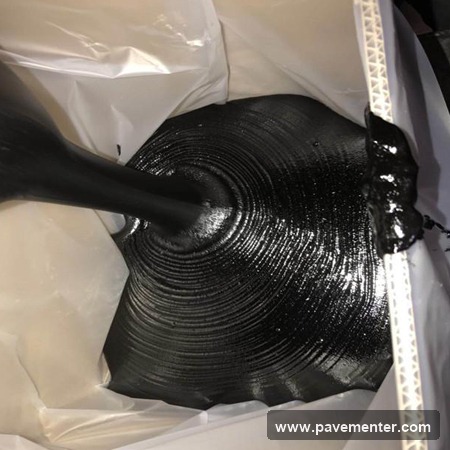
Regarding the common issues of using all-weather asphalt cold patch material for road pothole repair, construction contractors typically focus on three key concerns: whether the material is suitable for the site distresses, whether the construction will affect traffic flow, and whether the repaired area will remain stable after completion. The application of all-weather asphalt cold patch material should not be evaluated solely based on unit price; instead, it must be comprehensively assessed considering road classification, distress depth, traffic loads, and weather conditions.
1. Background
Road pothole repairs are commonly encountered on municipal roads, industrial parks, parking lots, highway connectors, and residential community roads. If early-stage distresses are left unaddressed, rainwater can penetrate the base course, and repeated vehicle traffic will cause them to expand into potholes, alligator cracking, or surface raveling. All-weather asphalt cold patch material is a high-performance cold-applied material specifically designed for repairing potholes in asphalt and concrete pavements. It offers true all-weather construction capabilities, allowing direct application in high temperatures, low temperatures, rain, or snow. The product requires no heating or mixing, ensures convenient construction, and delivers high strength and excellent durability after repair, enabling rapid opening to traffic. It is widely used in road maintenance and emergency repair projects. When developing a repair plan, it is essential to first identify the type of distress before deciding whether to proceed with localized patching, crack sealing, surface maintenance, or structural reinforcement.
2. Applicable Scenarios
All-weather asphalt cold patch material is well-suited for road maintenance tasks related to pothole repair, particularly in scenarios requiring rapid mobilization, minimized road closure times, and controlled risks of future distress expansion. For heavily loaded areas, additional inspections for compaction, bonding, and edge treatment should be implemented. In regions with rainy seasons or low temperatures, greater emphasis should be placed on the moisture condition of the base course and the criteria for opening to traffic.
3. Material and Equipment Features
Pothole repair requires close attention to slot cleaning, layered filling, edge compaction, and the time required before opening to traffic. The primary advantage of cold patch materials lies in their flexible construction window, making them ideal for small-area quick repairs and emergency traffic restoration. Public road maintenance guidelines also emphasize that crack treatment, pothole repair, and overlay reinforcement must first evaluate distress compatibility before proceeding with material inspection, equipment readiness, and construction scheduling. Relevant products from PAVEMENTER can serve as a reference for solution selection, but
